

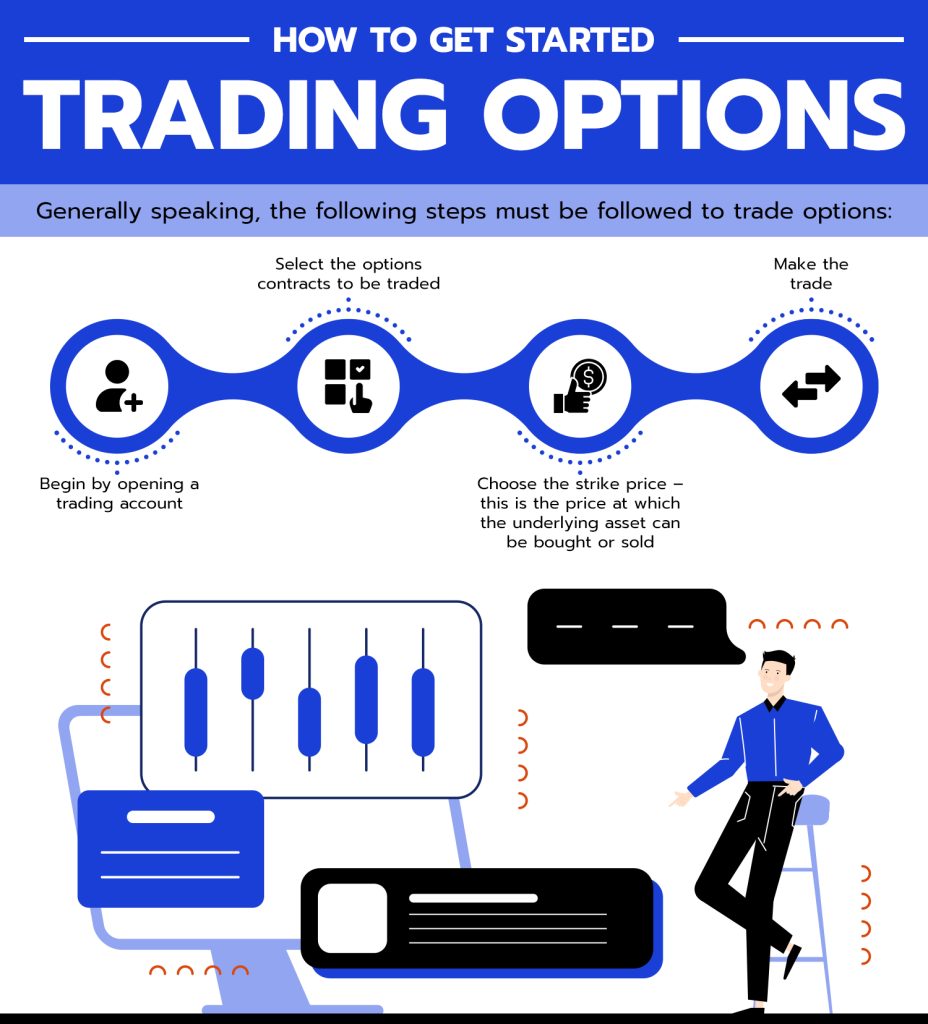
Options trading can be complex. A type of contract that gives the purchaser the right to buy or sell – at a specific price – a security at some point in the future, options are divided into ‘put’ and ‘call’ contracts. The former gives the buyer the right to sell the underlying asset at a predetermined price in the future, while the latter gives the buyer the right to buy the underlying asset at a preset price at a future date. Generally speaking, an options holder pays a premium for the right to buy or sell a security within a set timeframe.
Options Risk Metrics
The term the ‘Greeks’ is used by the options market to describe the varying risks involved in taking a position on these types of contracts. Delta relates to the rate of change between a $1 shift in the price of the underlying asset and the option’s price, as well as the option’s hedge ratio. Theta is the rate of change between time sensitivity and the option price, while gamma is deployed to assess the stability of an option’s delta.
Vega relates to the rate of change between the value of an option and the implied volatility of the option’s underlying asset, while rho represents the rate of change between a 1% shift in the interest rate and an option’s value. Although not as widely used, there are also ‘minor Greeks’, which are epsilon, lambda, vera, vomma, zomma, speed, color and ultima.
How Does Options Trading Work?
Those active in this sector, like Ben Waters, trader, can deploy varying options trading strategies. However, in general, trading put options is a means to bet on falling prices, while trading call options allows a trader to wager on rising prices. Although options contracts allow investors to purchase or sell at least 100 shares of assets or stocks, there’s no obligation to exercise these options should a trade be unprofitable. If a trader decides not to exercise their options, the only money possible for them to lose is their premium. Due to this – as Benjamin Waters, trader, knows – options trading can offer a comparatively low-risk means of speculating on a wide range of asset classes.
What Are the Benefits of Options Trading?
As well as the fact that options trading can be a relatively low-risk endeavour, it also offers potential upside gains and provides risk hedging. Furthermore, leverage can be deployed to increase rewards. For more information about options trading, take a look at the embedded PDF.