

AI is revolutionising every sector, and the world of data analytics is no different. Its ability to quickly process vast amounts of data means tasks that would have previously taken days (or even weeks) can be automated, with invaluable insights revealed almost instantly.
As a result, AI-powered data analysis is transforming decision-making and reducing costs.
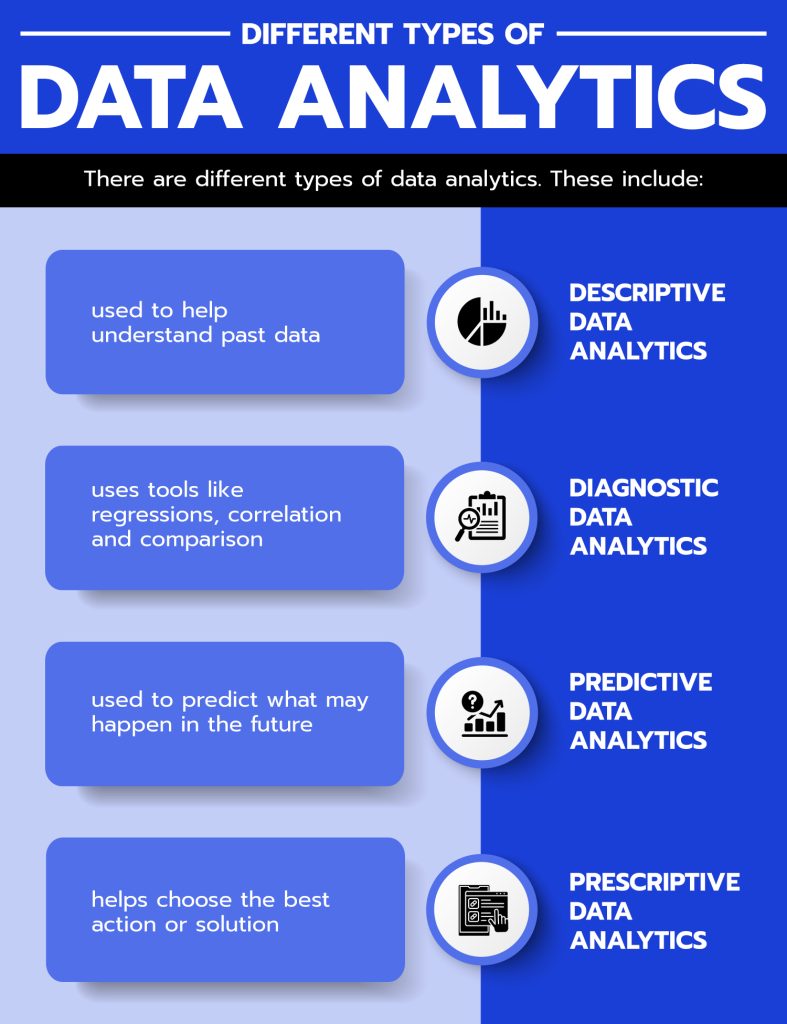
Different Ways AI Is Being Deployed
There are many ways that AI is being used in data analytics, such as to generate code and debug errors. This is especially useful for complex tasks, including building machine learning models and visualising large datasets. It’s extremely helpful, too, in explaining insights and extracting valuable, usable information, and for performing exploratory data analysis of a new database or dataset.
Other innovative ways that data analysts are using AI is to create reports and dashboards, automate data entry from images, enhance the quality of data via automated cleaning and create synthetic data.
The latter could involve generating training datasets that are subsequently fed into machine learning models, making it easier to test different models to see how they perform.
The Benefits of Using AI in Data Analytics
Those whose work touches on this field, such as Ben Waters, trader, know that enhanced speed and efficiency are just one benefit of deploying AI in data analytics. Other benefits include the fact that AI tools allow data analysts to swiftly detect inconsistencies in their data and offer more democratised access to data in general.
Those with experience of data analytics – like Benjamin Waters, trader – understand that AI means even less experienced users can access datasets without needing any knowledge of technical language.
Furthermore, AI tools allow businesses to automate report generation, eliminating the need to prepare time-consuming manual reports. Such reports help to ensure that employees can access the same information, regardless of their background or location, in a timely manner.
A Shifting Skillset
For data scientists and analysts, the rise of AI in the field signals a shift in the skillset required for these roles. As well as possessing fundamental analytical abilities, a knowledge of machine learning and AI concepts is increasingly required, as are skills in programming languages such as R and Python and proficiency in using AI platforms and tools. Going forward, adaptability is likely to be crucial, with soft skills becoming more important as AI takes over data visualisation and processing tasks.
For more information on how AI is being used in data analytics, take a look at the embedded PDF.